A yearly spring maintenance plan gives homeowners a predictable way to arrange preventive service without treating every concern as an emergency. In Leawood, the guide band for this job is $89 to $249, with the final scope depending on the door, spring system, access, and condition found by the pros we connect you with. The useful comparison is not simply the plan price against a repair invoice. It is the cost of a controlled visit, documented adjustments, and early notice of worn hardware before a minor concern demands urgent attention. That distinction matters for households using the garage through school, work, errands, and changing Kansas weather.
A legitimate plan should explain what the visit covers, what it excludes, and what happens if a repair is recommended. It should not imply that maintenance makes a spring permanent or covers every future part. The pros we connect you with should describe the spring type, cycle rating, lubrication, hardware condition, and any safety concerns in plain language. This guide breaks down the service itself, the limits of a yearly arrangement, and the questions worth asking before booking. The goal is a fair comparison between planned maintenance and paying for service only when a problem becomes disruptive.
What a Once-a-Year Service Includes
A once-a-year service visit should be a defined inspection and adjustment appointment, not a vague promise to look things over. The pros we connect you with should identify the torsion spring arrangement, examine the spring and its mounting points, and check whether the door remains properly supported during operation. They can assess connected hardware for visible wear, looseness, or movement that could affect safe use. If a correction is appropriate, the scope should be explained before work expands beyond maintenance, so the owner understands which work belongs to the plan.
Routine service can include cleaning accessible parts, applying suitable lubricant, tightening appropriate fasteners, and testing the door through normal operation. The technician should also note whether the opener responds properly and whether the door rests in a reasonable position when operated manually. Maintenance does not automatically include replacement springs, new cables, damaged drums, structural repairs, or opener replacement. Those items should appear as separate recommendations, with the owner deciding whether to authorize them after receiving a clear explanation from the pros we connect you with.
Why Springs Benefit Most
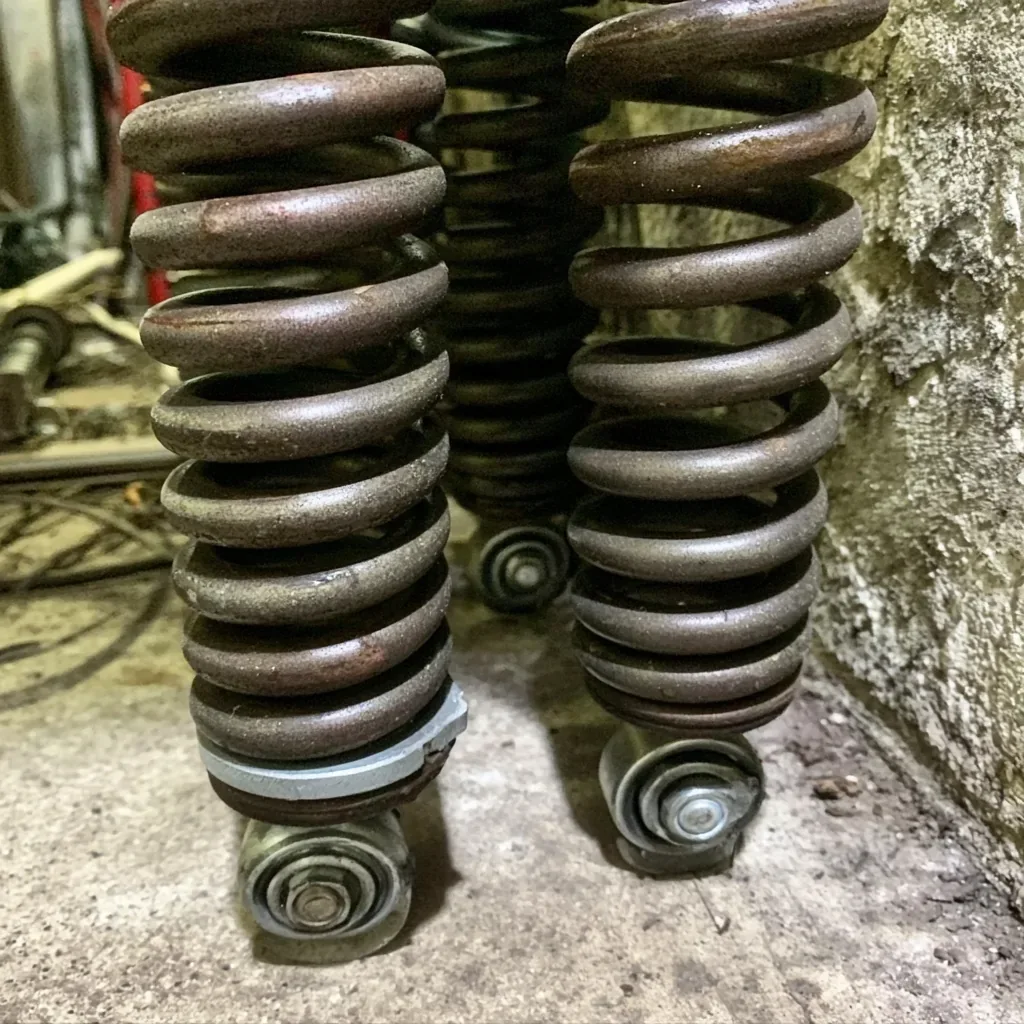
Torsion springs carry much of the door’s operating load, so their condition directly affects how the system behaves during ordinary use. Every opening and closing movement adds another cycle to the spring’s fatigue history, even when the door appears clean and the opener sounds normal. A standard coil is commonly rated for 10,000 cycles, while a high-cycle coil may be rated for 20,000 to 30,000 cycles. Maintenance cannot erase completed cycles, but it can identify wear, corrosion, poor alignment, or hardware stress that deserves attention.
Springs benefit from planned service because failure can leave a heavy door difficult to manage and can affect connected components. A technician can confirm whether the installed spring matches the door’s weight and identify whether the cycle rating suits the household’s use. Frequent school departures, work commutes, deliveries, and evening activity all add operating cycles without making the usage obvious. A yearly appointment creates a practical point for reviewing that demand, rather than assuming the original spring selection will remain suitable as the household’s routine changes.
Cold-Rated Lubrication Matters Here
Lubrication is a small part of maintenance, but the product choice matters when Kansas weather turns cold. A cold-rated garage door lubricant is formulated to remain workable across changing temperatures instead of becoming overly thick and resisting movement. The pros we connect you with can apply the product to appropriate moving points, including hinges, rollers, bearings, and other manufacturer-approved contact areas. They should avoid treating every component alike, because lubricant placed where it does not belong can attract grit or interfere with normal operation.
Household grease, general-purpose oil, and penetrating products are not interchangeable with a garage door lubricant. Some products evaporate quickly, collect dust, or lose useful performance during cold weather, leaving metal surfaces less protected than the owner expects. The service record should identify the lubricant used and any areas that were intentionally left dry. Owners should also ask whether the product is suitable for their door hardware and local conditions, rather than assuming a heavier coating provides better protection throughout the season.
What Gets Checked Besides the Springs
A useful service visit considers the parts that transfer the spring’s force to the door. The pros we connect you with can examine the cables for fraying, corrosion, or damaged ends, then check the drums for wear and proper seating. The bearing plate deserves attention because looseness or damage there can affect shaft support. Rollers, hinges, brackets, and fasteners should also be assessed for wear, binding, or movement that could increase strain during operation.
The technician can review the opener rail, attachment points, and emergency release for condition and function without presenting opener work as spring maintenance. Safety sensors, reversing response, and the door’s manual movement may also receive a functional check when the equipment allows it. These observations help separate a spring concern from a broader hardware or opener issue. A written recommendation should identify the affected component, explain its significance, and distinguish an immediate repair from an item that can be monitored during future service.
What a Plan Is Not
An annual maintenance plan is not a contract for unlimited labor, replacement parts, or every repair that may arise later. It defines a planned service visit with a stated scope, while additional work remains subject to inspection, explanation, and owner approval. The referral site employs nobody and owns no vans; the pros we connect you with perform the appointment and provide their own terms. That distinction should be clear before booking, especially when a website describes a plan in broad language.
A plan is also not a quarterly visit disguised by convenient wording. Yearly maintenance means the scheduled service occurs on an annual timetable unless the owner separately requests additional work. More frequent attention may make sense for unusual usage or a known equipment concern, but that is a different arrangement and should not be assumed. Ask whether rescheduling, parts, follow-up work, and urgent service are included or billed separately. Clear boundaries make the plan easier to compare with paying per visit.
Scheduled Service Compared With Emergency Call-Outs
A scheduled maintenance visit is arranged when the garage remains usable and the owner can discuss the system without immediate pressure. The pros we connect you with have time to review the spring, hardware, lubrication needs, and written scope as a preventive appointment. An emergency call-out begins after a failure, safety concern, or sudden operating change has already disrupted the household. The technician may need to secure the door, isolate damaged parts, and determine what work is required before normal use can resume.
That difference changes more than timing. Emergency work may involve difficult access, damaged components, urgent handling, or service outside ordinary scheduling, while planned maintenance usually focuses on condition, adjustment, and documentation. A yearly visit cannot guarantee that an emergency will never occur, but it can give the owner a current record and a chance to address known concerns earlier. When comparing options, ask whether the plan includes any priority treatment or whether emergency requests follow separate terms established by the pros who perform the work.
What Maintenance Cannot Prevent
Maintenance can reveal wear, but it cannot stop metal from aging through repeated loading. A torsion spring may fail between appointments because its fatigue has reached a breaking point, particularly when its cycle rating no longer matches actual use. Sudden impact, severe corrosion, manufacturing defects, and damage from another component can also create problems that a routine visit could not reasonably eliminate. The purpose of service is better information and condition management, not a promise that every part will last indefinitely.
A plan cannot prevent an opener motor, circuit board, photo-eye, wall control, or household power supply from developing a separate fault. It also cannot correct structural movement, water exposure, or accidental damage unless that work is separately authorized. Owners should treat a new noise, visible damage, burning smell, or unusual resistance as a reason to stop using the system and seek professional guidance. Honest plan language names these limits, because avoiding false certainty is part of making a sound maintenance decision.
The Right Month to Book in Leawood
The most practical time to book is a mild month before sustained cold weather, often late summer or early fall in Johnson County. That timing gives the pros we connect you with an opportunity to assess the spring system before winter conditions make metal, lubricant, and household routines less forgiving. It also avoids waiting until seasonal demand has already made service planning more difficult. The ideal month can shift with weather, usage, and the condition of the existing hardware, so the calendar should support the equipment rather than replace a condition-based decision.
Owners who use the garage heavily should consider booking before the busiest part of their household schedule, not after a warning sign appears. A yearly appointment can be placed near another home-maintenance reminder, provided the interval remains consistent and the service record is retained. If the system already shows damage, unusual resistance, or a known spring concern, waiting for the preferred month is not a reason to continue operating it. Scheduling is preventive only when the equipment is safe to evaluate and use.
What the Written Record Should Show
The written record should identify the service date, door description, spring arrangement, and cycle rating when that information is available. It should state which maintenance tasks were completed, including lubrication, adjustments, functional checks, and any areas that could not be evaluated. The pros we connect you with should record the condition of the torsion spring, bearing plate, cables, drums, rollers, hinges, and opener-related hardware when those components are within the visit’s scope. Specific observations are more useful than a generic statement that service was completed.
Recommendations should separate urgent concerns from items suitable for monitoring, and they should explain why a repair or replacement was suggested. If a spring is replaced, the record should identify the replacement type and relevant rating rather than merely listing a part. The owner should also receive the terms of the plan, exclusions, authorization for extra work, and contact information for the actual service provider. Keeping that paperwork makes future comparisons easier and reduces confusion about what the yearly appointment did or did not include.
Monthly Checks Without Tools
An owner can perform useful monthly checks without touching the spring system or using tools. From a safe position, listen for new scraping, popping, grinding, or repeated opener strain during ordinary operation. Look at the visible spring, cables, drums, rollers, hinges, and brackets for fresh rust, fraying, separated hardware, or anything that has shifted from its familiar position. Check that the photo-eye lenses appear clean and that their indicator lights behave normally, following the opener manufacturer’s guidance rather than forcing a test.
The owner can also observe whether the door travels smoothly and whether it pauses, shudders, or moves differently from its usual pattern. Do not handle a torsion spring, cable, bearing plate, or loose fastener, and do not continue experimenting when a component appears damaged. A new condition should be documented with a description and referred to the pros we connect you with. These simple observations do not replace annual service, but they help an owner notice changes before scheduling becomes an emergency decision.
Questions to Ask Before Booking
Before booking, ask what the yearly plan includes and request the scope in writing. Confirm whether the visit covers the torsion spring, cycle rating, cables, drums, bearing plate, rollers, hinges, opener attachments, safety functions, lubrication, and documented recommendations. Ask which parts or repairs are excluded, whether extra work requires approval, and who actually performs the appointment. Because this is a referral site, ask for the business name, service terms, and record supplied by the pros we connect you with rather than assuming the website is the contractor.
Also ask whether the guide band of $89 to $249 applies to the described service or changes with door type, access, or existing damage. Clarify how rescheduling works, whether emergency requests use separate terms, and when the next annual visit would normally be due. Ask what lubricant is used, whether it is cold-rated, and how the technician records the spring’s condition. A provider who answers these questions plainly makes the plan easier to compare with paying for individual service only when a problem develops.
Dealing with this in your home?
In Leawood, most spring trouble starts with winter, not use, as repeated freeze-thaw cycles tighten fatigued steel until a cold night snaps a coil on an attached two-car sectional door. Johnson County homes from Hallbrook to the 135th Street corridor and near Ironwoods Park often show the same pattern: a door over 150 pounds dead, an opener straining, and roots drying clay on one side of the slab. This post explains why cold breaks happen, what a safe repair visit covers, and when to call the pros we connect you with.