Builder-grade torsion springs are common on new garage doors because they meet the original specification without adding a separate upgrade package. That choice is not automatically a defect, but it leaves homeowners comparing an ordinary replacement with a longer-life coil. In Leawood, the useful question is whether the existing rating suits the door's routine, rather than whether the spring looks substantial. This guide explains what the pros we connect you with examine before pricing a high-cycle upgrade for a particular garage door.
The guide band for this job is $189 to $459, with the final scope shaped by access, parts, and door condition. Cost alone does not identify the right spring, because wire selection must produce safe balance at the drum and shaft. A clear quote should show the proposed cycle rating, the work included, and the evidence supporting that specification. Those details make a builder-grade decision easier to compare before any repair work is authorized or scheduled.
What Builder-Grade Means and Why It Is Fitted
Builder-grade usually describes the spring package selected for the door's original build, not a claim that the hardware is unsafe or poorly installed. Manufacturers and builders use a standard coil when its expected service level fits the door's design and the project's specifications. It is often the baseline component, with familiar dimensions, broad availability, and a straightforward replacement path for ordinary residential doors. The term identifies an intended service tier, while actual performance still depends on installation, balance, and operating conditions.
That baseline keeps the original package predictable for installers, distributors, and homeowners comparing a repair with a planned upgrade. A standard coil can balance a door correctly when its torque, drums, cables, and hardware are properly selected. Builder-grade does not mean disposable; it means the spring was chosen for the starting specification rather than an extended-life option. A written comparison should separate the original standard from any higher-rated component proposed for the same door. The reason to consider an upgrade is usage and future service planning, not a label alone.
How to Tell What Is on Your Door Now
Start with the information already attached to the spring, shaft, or service paperwork, because markings can identify the manufacturer and product family. Look for a label, stamped code, paint mark, or invoice description before relying on appearance to identify the current coil. Do not assume two springs have the same rating simply because their coils look alike from the garage floor. The pros we connect you with can inspect the drums, cables, bearing plate, and shaft while the door remains safely controlled.
Useful identification includes manufacturer marks, coil direction, installed position, and any stated cycle rating when those details are available. Photos should show the full shaft assembly, not only a close view of one coil or end cone. Note whether the pair appears identical, whether coils are separated, and whether rust or rubbing has obscured the markings. Those observations help distinguish an installed standard package from an earlier replacement or an undocumented upgrade. The goal is to document what exists before anyone recommends a different specification.
Why These Coils Reach the End Together
Paired torsion springs commonly share the same installation date, operating environment, and history of door movements. When one coil fatigues, the other has usually experienced comparable twisting, heat, dust, and seasonal temperature changes. The visible break may occur in one spring first, but that does not prove the companion spring has fresh service life. Replacing only the broken side can therefore leave two different wear histories on the same shaft. Age is not measured only by visible rust; repeated flexing can reduce reserve strength while the surface still looks ordinary.
The companion may function today yet fail soon after a single-side repair, creating another service decision. A pair also works as a coordinated torque system, so unequal spring condition can complicate balance and adjustment. The pros we connect you with compare both coils, the cones, the bearing plate, and the cable position before recommending parts. That review matters when an older standard coil is being replaced with a higher-cycle option. Using consistent components makes the new rating easier to document and the final adjustment easier to verify.
What the Upgrade Changes, Part by Part
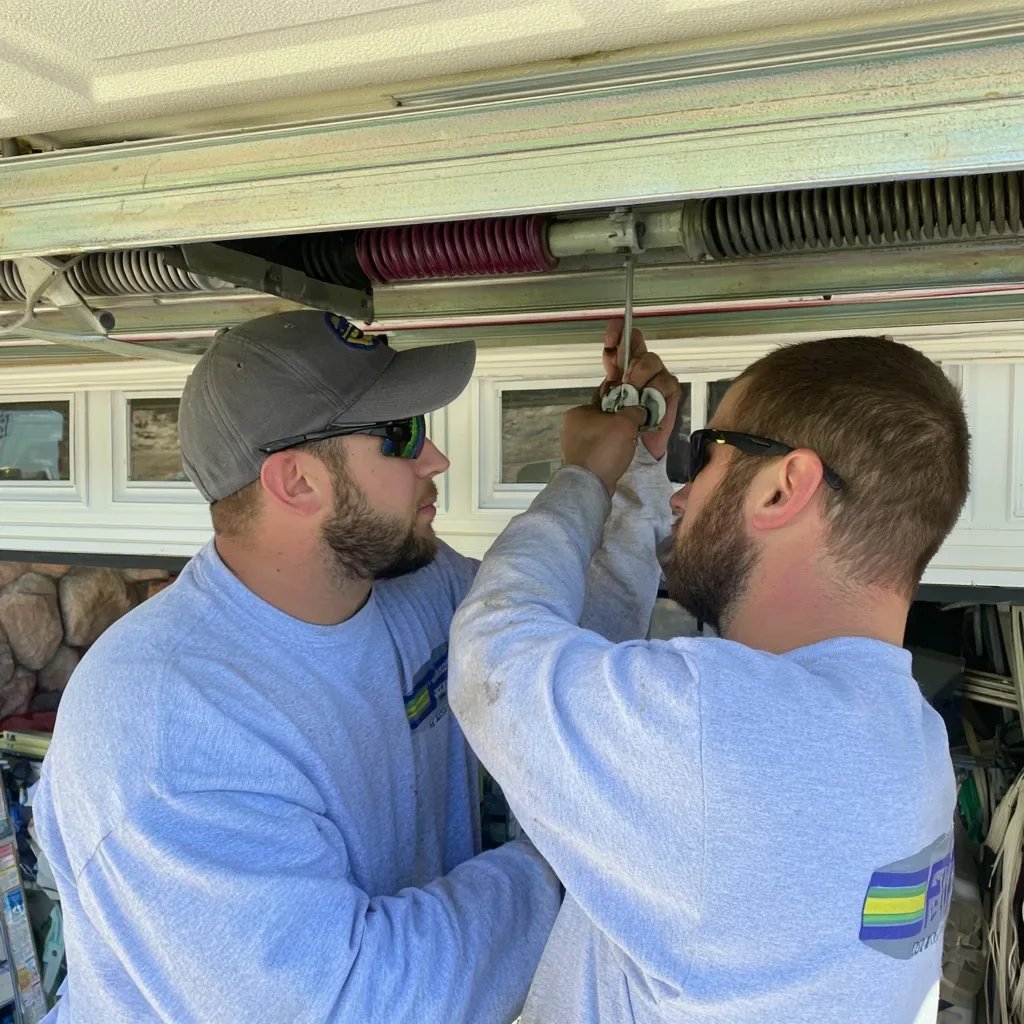
A long-life upgrade begins with the coil specification, where wire size and winding details determine the torque available from the spring. Changing that component can alter the spring's capacity without changing the door's visible panels, tracks, or exterior appearance. The pros we connect you with also inspect end cones, stationary hardware, bearing plate, drums, and cables for compatible condition. Those supporting parts may remain in service when sound, but damaged hardware belongs in a separate line item.
The upgrade may include a higher cycle rating, a different wire size, or a different component selection for the same shaft. That does not mean every surrounding part needs replacement, and a higher-rated coil cannot correct a bent track or worn cable. The quote should explain which parts change, which remain, and whether any adjustment follows the new torque. The important comparison is the specification and compatibility, not a thicker-looking coil viewed from below. Part-by-part clarity prevents the word upgrade from hiding a standard repair with a different label.
What the Price Difference Buys in Years
The price difference pays for a higher service target, not merely a shinier spring or a more elaborate invoice. A standard coil is commonly rated up to 10,000 cycles, while a high-cycle coil may be rated from 20,000 to 30,000 cycles. Those ratings describe expected opening-and-closing cycles under stated conditions, not a promise that either component reaches its label. Actual service life also reflects balance, installation quality, corrosion, and how often the door operates.
At the guide band of $189 to $459, the practical comparison is the added service horizon against the timing of future work. A higher rating can make sense when access is difficult, household use is frequent, or another spring replacement would be disruptive. It may be less compelling when the door is seldom used, scheduled for replacement, or already requires broader hardware work. Ask the pros we connect you with to state the rating and explain what assumptions support that recommendation. The intended benefit is more years of service before fatigue becomes the next spring decision.
Door Weight and Matching the Specification to It
The door's actual weight is a central input because it determines required spring torque and the correct operating balance. Visual size is not a reliable substitute; insulation, windows, hardware, and construction can change the load substantially. The pros we connect you with may use manufacturer data, a controlled weighing method, or both to establish the working specification. That information helps determine whether the proposed wire selection supplies useful torque without overloading the shaft assembly. A door that feels balanced at one position can still reveal a specification problem elsewhere in its travel.
A spring with too little torque can leave the door heavy by hand, while excessive torque can make controlled movement unsafe. The cable must seat correctly on the drum, and the drums must suit the shaft and door arrangement being serviced. Weight information should appear in the technician's notes or quote when it affects the selected spring package. Ask how the measured or documented weight led to the stated rating, rather than accepting a generic replacement description. The correct check covers balance, cable tension, and smooth movement after the spring selection is installed.
Why the Opener Is Checked at the Same Time
Spring work changes the resistance the opener encounters, so the opener should be reviewed after the door is balanced. The check can include force settings, travel limits, rail attachment, trolley movement, and signs of gear or motor strain. These observations separate a spring-specification issue from an opener adjustment or hardware condition that needs separate attention. The pros we connect you with can test operation from the controls and confirm that the door reverses as designed.
An opener may run even when its settings are no longer appropriate for the newly serviced door. Travel limits can affect where the door stops, while force settings affect how the system responds to resistance. The quote should identify whether opener checks are included, what adjustment was made, and which repairs are excluded. Keeping those tasks visible prevents an upgrade discussion from quietly absorbing unrelated opener work. The review also provides a chance to note unusual noise, delayed movement, or inconsistent stopping during testing. Those findings should be described separately so the spring upgrade remains a clear, reviewable scope.
What the Quote Should Itemize
A useful quote names the existing spring type, proposed replacement, wire specification, cycle rating, and quantity of components. It should identify labor for controlled removal, installation, balance adjustment, cable seating, and final operational testing. Any bearing plate, drum, cone, shaft, or cable condition that changes the scope should appear separately from the coil. That structure lets a homeowner compare two proposals without guessing which parts are actually included.
Ask whether the quoted work includes both sides when the installed system uses paired springs and whether disposal is included. Request the manufacturer, part designation, warranty terms, and documentation supporting the advertised cycle rating. Clarify exclusions, such as opener repairs, damaged framing, inaccessible hardware, or follow-up work outside the spring installation. The pros we connect you with should provide a written scope that distinguishes inspection findings from optional recommendations. Photographs or measurements can support the identified parts when the original markings are difficult to read.
When to Do It and When to Wait
An upgrade is easiest to evaluate when a spring is already being serviced, because the existing assembly is open for inspection. It can also be considered before a failure when the current rating no longer fits the household's expected use. Timing should follow documented wear, planned access, and the condition of related parts rather than a sales deadline. If the standard package is intact, balanced, and appropriate, waiting may be reasonable while gathering a comparison quote. A planned upgrade may reduce repeated disruption, but it should still be tied to a specific condition or usage reason.
Wait when the proposed change is vague, the door weight is unknown, or the installer cannot identify the rating being offered. Do not treat a high-cycle label as a reason to ignore cracked cables, damaged drums, or an unstable bearing plate. Those conditions require clear inspection findings before the spring choice can be evaluated fairly. The decision is strongest when the timing, current condition, intended use, and complete scope are written together. If the quote changes after inspection, ask which finding caused the revised recommendation.
How Leawood Freeze-Thaw Cycles Bring the Date Forward
Freeze-thaw weather in Leawood can bring a spring decision forward by exposing metal and moving parts to repeated temperature changes. Condensation can encourage surface corrosion, while contraction and expansion alter how hardware, cables, and drums sit during operation. Cold conditions can also make existing wear more noticeable, especially when lubrication is poor or the garage stays unconditioned. The calendar alone does not determine failure, but seasonal stress can shorten the practical margin left in an older standard coil.
That is why a spring that seemed serviceable during mild weather may deserve closer inspection before the next cold period. The pros we connect you with should look for rust at coils, cones, bearing plates, cable ends, and drum contact areas. Ask whether the observed condition supports immediate replacement, planned upgrade, or continued monitoring with specific warning signs. Weather exposure is one factor in the recommendation, not a substitute for checking balance, hardware condition, and rating evidence. Sheltered hardware can age differently from exposed hardware, so a neighborhood-wide assumption is not enough.
What to Ask So the New Rating Is Provable
Ask for the manufacturer and part designation of the proposed spring, along with the stated cycle rating in writing. Request the wire diameter, coil direction, and installation details so the specification can be compared with the door assessment. A clear invoice should identify what was installed, not merely call the work a long-life or premium upgrade. Photos of labels, packaging, or marked components can preserve evidence when the rating is not printed on the visible coil.
Ask how the door weight and drum arrangement support the selected wire specification, and have that explanation included in the scope. Confirm whether the rating applies to each spring, the complete pair, or a broader product family description. Request the warranty's conditions, including any maintenance or installation requirements that affect its coverage. The pros we connect you with should leave a record of balance testing, opener checks, and the final parts installed. If the documentation does not identify the component clearly, the advertised rating is difficult to verify later.
Dealing with this in your home?
In Leawood, most spring trouble starts with winter, not use, as repeated freeze-thaw cycles tighten fatigued steel until a cold night snaps a coil on an attached two-car sectional door. Johnson County homes from Hallbrook to the 135th Street corridor and near Ironwoods Park often show the same pattern: a door over 150 pounds dead, an opener straining, and roots drying clay on one side of the slab. This post explains why cold breaks happen, what a safe repair visit covers, and when to call the pros we connect you with.